
Partial Wrap vs. Full Wrap: What’s the Difference?
One of the first decisions in the wrap process is whether to go with a partial or full wrap. Both options have distinct advantages, and the right choice comes down to your goals, budget, and how much visual impact you’re looking for.
What a Full Wrap Covers
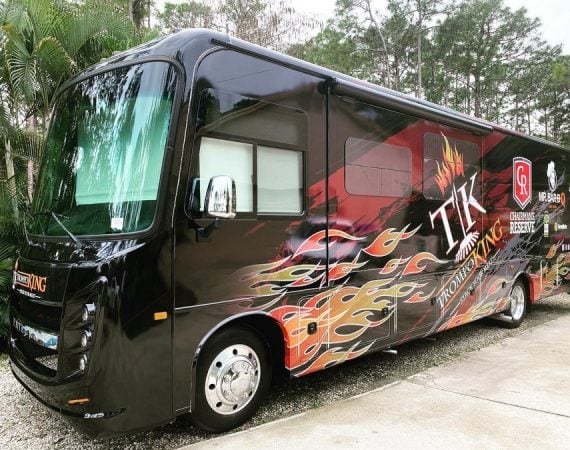
A full wrap covers the entire exterior of the vehicle, providing maximum branding space for businesses and complete color or finish transformation for personal vehicles. This is the option that delivers the most dramatic, attention-grabbing result.
What a Partial Wrap Covers
A partial wrap covers a portion of the vehicle, commonly the hood, rear panels, or lower sections, while leaving some of the factory paint visible. This is a popular choice for businesses working with a tighter budget or for personal vehicles where a subtler change is the goal.
Cost Differences
Partial wraps cost meaningfully less than full wraps, since they require less material and installation time. For businesses branding an entire fleet, this cost difference can add up significantly, making partial wraps an appealing option for maximizing visibility within a set budget.
Branding Impact
While a full wrap offers maximum visual impact and branding real estate, a well-designed partial wrap can still communicate a business’s branding effectively, especially when paired with a clean, high-contrast design that draws the eye even from a distance.
Which Works Better for Fleets
For fleet branding specifically, full wraps typically provide the strongest overall impression, since a fully wrapped vehicle reads clearly as a branded vehicle rather than a personal car with an add-on graphic. That said, partial wraps remain a solid option for businesses prioritizing budget over maximum visual coverage.
Which Works Better for Personal Vehicles
For personal vehicles, partial wraps offer a great way to add custom color accents, protect specific high-wear panels, or make a subtle style statement without committing to a full color change.
Combining Both Approaches
Some businesses opt for a hybrid approach, a full wrap on primary customer-facing vehicles and partial wraps on secondary fleet vehicles, balancing budget with maximum impact where it matters most.
Making the Right Choice
Think through your primary goal, maximum visibility, budget efficiency, or a specific style change, and let that guide whether a full or partial wrap makes the most sense for your vehicle or fleet.
Not sure which option fits your needs? Contact Giant Wraps and we’ll help you design the right solution for your budget and goals.